

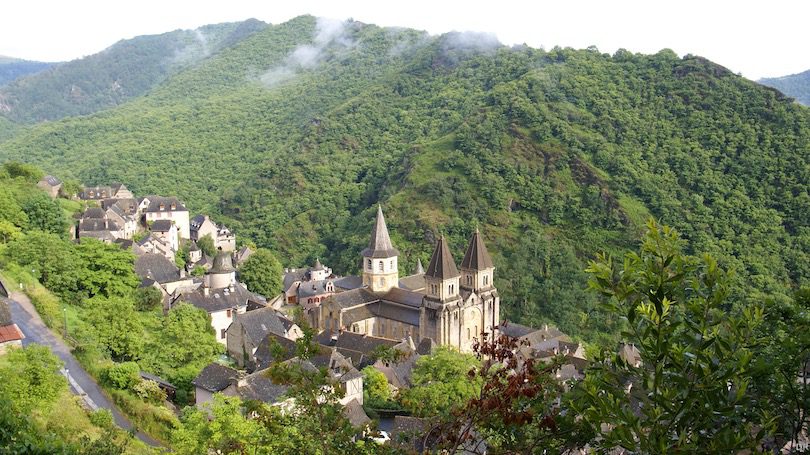
Près de 600 000 visiteurs par an… Conques demeure LA référence touristique en Aveyron ! Le “number one” en termes de fréquentation. Loin devant Roquefort.

C’est une opération touristique qui dure depuis 1000 ans…Depuis toujours son unique vocation n’a été que d’attirer du monde. Ce fut d’ailleurs l’unique vocation des reliques. Et ce celles de Sainte-Foy en particulier ramenées à Conques dans des circonstances mystérieuses. Il n’empêche dix siècles plus tard, la magie opère encore. A fortiori, en nos temps troublés de perte de repères, qui voient le pèlerinage vers Compostelle connaître de ce fait un succès grandissant. Et Conques est l’une des étapes les plus scintillantes du parcours…
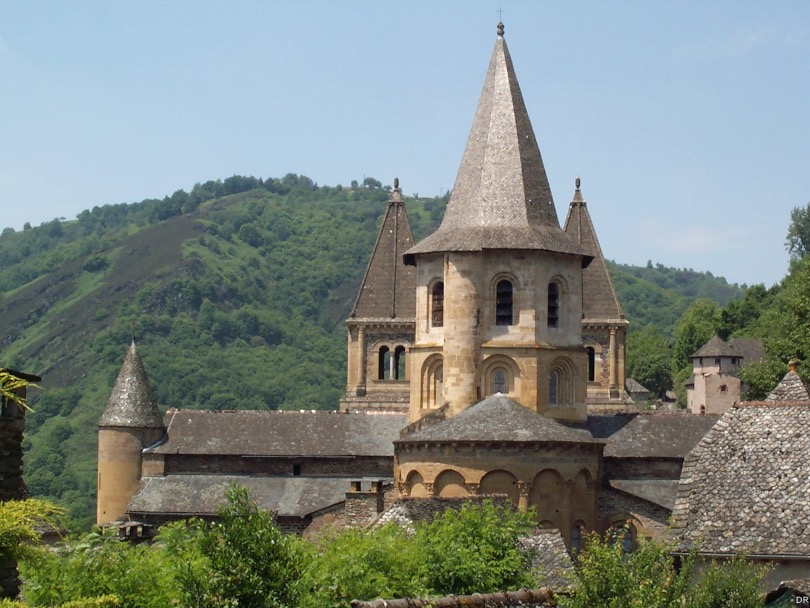
De l’ermite Dadon (Conques lui devrait son nom…) à l’inscription au Patrimoine mondial de l’Unesco (en passant par Mérimée), cette étape majeure sur le chemin de Saint-Jacques de Compostelle n’a cessé de drainer visiteurset pèlerins. On vient de loin pour y respirer un peu de spiritualité, savourerle génie des artistes du Moyen-âge (qui ont su si bien croquer les 7 péchés capitaux) et découvrir le trésor de Sainte-Foy…

Le témoignage d’un vénérable Conquois, Gabriel Dissac
Tous les après-midis, à l’ombre du vieux tilleul de la place Chirac (pas le Président, le médecin de Louis XV), Gabriel Dissac, 72 ans, et sa chienne Margot, contemplent l’interminable défilé des touristes, véritable marée polychrome de shorts et de casquettes…
De quoi donner à Gabriel, l’ancien garde- champêtre de Conques, la nostalgie d’un tourisme de grande classe.
Rencontre juin 2001






Parking à 4euros;
Tresor à 6,50 €
Il a fallu aller a la mairie, grimper les marches, repartir mettre le badge sur la voiture. C’est le jackpot ; on a fait travailler un café, un restaurant;
le parking pourrait être gratuit;devant l’abbatiale,il y avait plein de mégots au sol !
Et les toilettes municipales étaient a peine propres; après 4heures de route aller retour,j’ai regrette ma journée…